

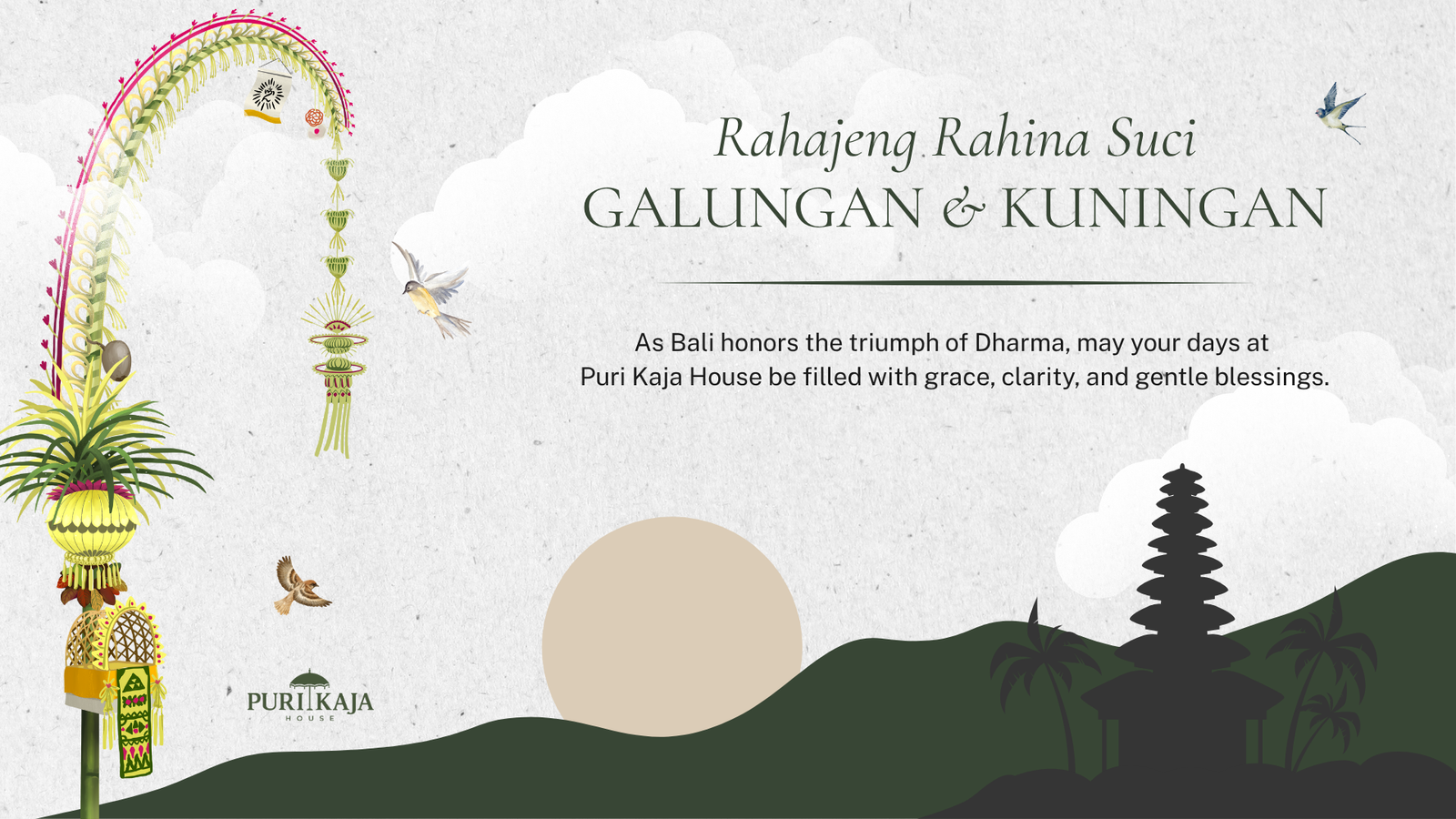


Galungan and Kuningan are two of the most significant festivals in Bali, celebrated with devotion, color, and deep cultural meaning. They mark a sacred time in the Balinese Hindu calendar when ancestral spirits are believed to visit the earth, bringing blessings to families and communities. These festivals are not only religious observances but also a celebration of gratitude, harmony, and the enduring connection between humans, nature, and the divine. Throughout Bali, homes and temples are decorated with penjor, bamboo poles adorned with coconut leaves, rice, and ornaments, creating a festive and spiritual atmosphere that is both visually stunning and symbolically profound.
Galungan: Welcoming Ancestral Spirits
Galungan, the first of the two festivals, celebrates the triumph of dharma (good) over adharma (evil). It is a time for families to prepare offerings, perform prayers, and welcome ancestral spirits into their homes.
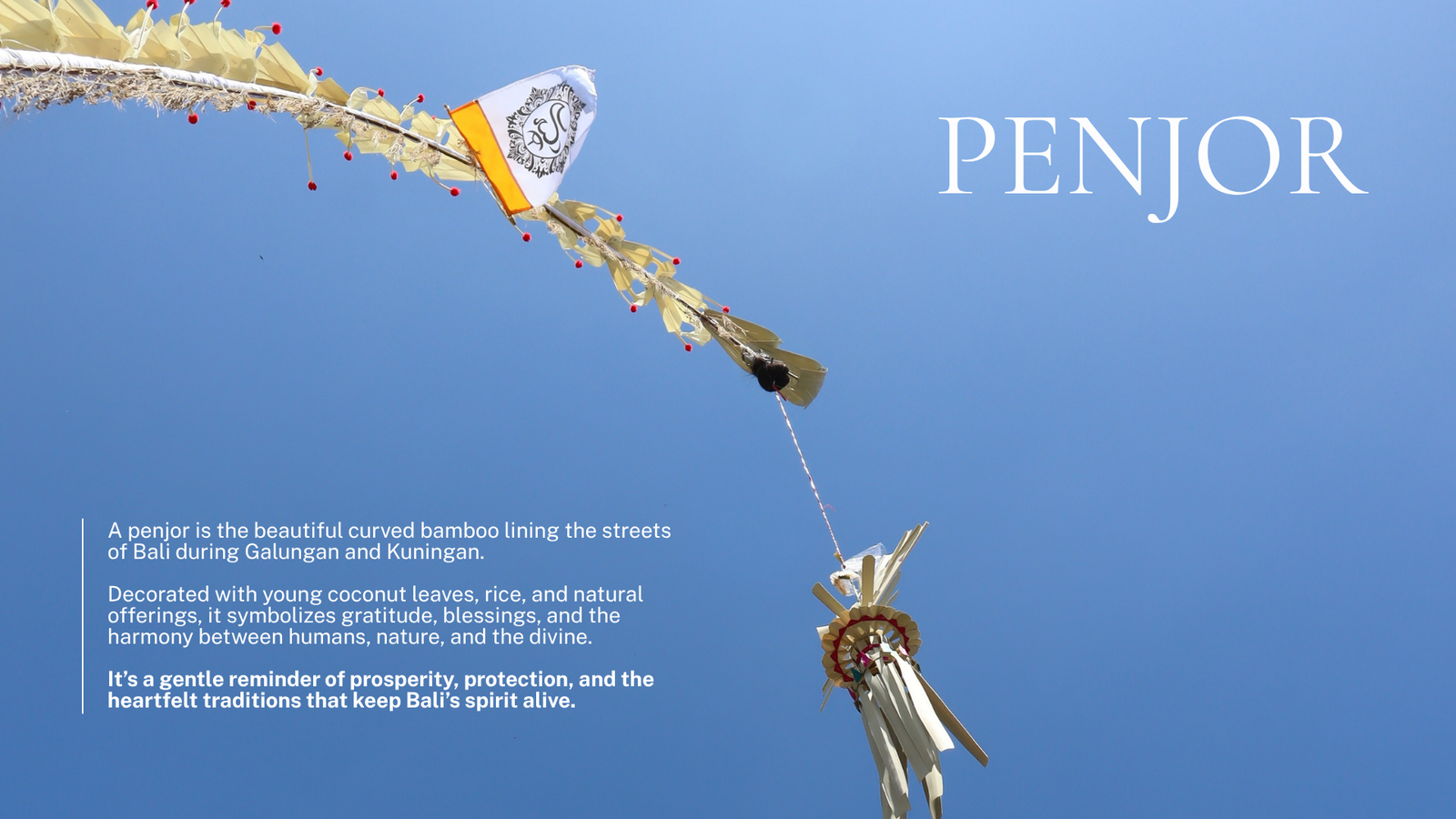
The penjor lining streets and courtyards serve as sacred pathways, inviting blessings to flow and symbolizing gratitude, prosperity, and spiritual protection. Throughout the day, communities gather at temples and family compounds to chant, make offerings, and participate in rituals, creating a powerful sense of togetherness.
Galungan is also a reminder of the Balinese belief in the cyclical nature of life, the importance of morality, and the guidance of divine forces in everyday life.
Kuningan: Reflection and Gratitude
Kuningan, celebrated ten days after Galungan, marks the conclusion of this sacred period. On Kuningan, the ancestral spirits are believed to return to the divine realm, and families offer prayers of gratitude for blessings received.
Special offerings are prepared, often with symbolic foods and intricately arranged decorations, and rituals are conducted to honor the balance between humans, nature, and spiritual forces. Kuningan is a time for reflection, mindfulness, and reaffirming connections within the family and community.
While Galungan emphasizes welcoming and celebration, Kuningan focuses on closure, gratitude, and the continuity of spiritual harmony, rounding out a deeply meaningful cultural and religious cycle in Bali.
The Penjor: Symbols of Connection
The penjor at Puri Kaja House are more than decorations — they are storytellers. Each element, from the woven coconut leaves to the rice offerings, reflects artistry, spirituality, and the ongoing connection between generations.
Walking through the house during this season is an immersive experience, allowing visitors to feel the energy of devotion and human connection that sustains Balinese culture.
Experiencing Culture and Mindfulness
Galungan and Kuningan at Puri Kaja House are moments to pause, reflect, and engage with tradition in a meaningful way. The festival invites visitors to witness how culture, spirituality, and human connection intertwine, creating an environment of gratitude, harmony, and shared experience.
In every penjor and every ritual, there is a quiet reminder that culture is alive when people participate, honor it, and carry its lessons.
View this post on Instagram